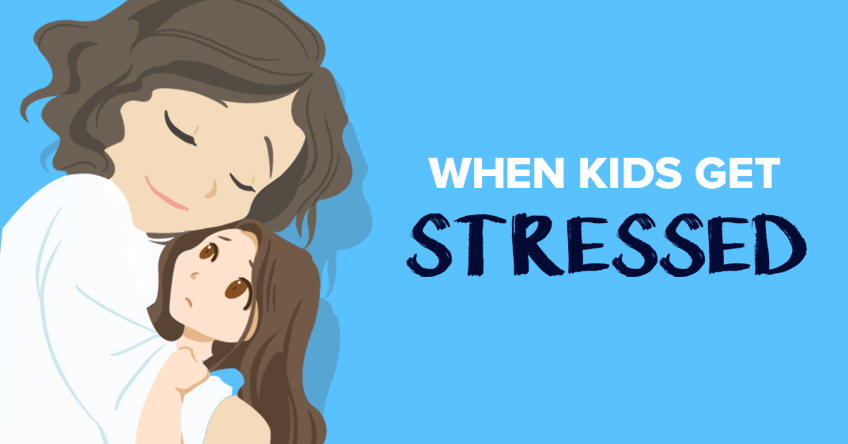
It's one of the hardest things a parent can witness: your child, just a small person in a big world, paralyzed by the fear of anger. Maybe they cower, apologize excessively, or even "become a victim" to avoid conflict, losing a piece of their precious self-confidence along the way. If your 5-year-old is struggling with this, you're not alone, and there are powerful ways to help them navigate these big emotions.
For many sensitive children, anger isn't just an unpleasant emotion; it feels like a genuine threat. Their nervous system goes into overdrive, often leading to a "fawn" response – a survival instinct where they try to appease others to prevent confrontation. But we can help them understand anger, build resilience, and rediscover their inner strength.
Here’s a guide to helping your child rebuild their confidence and lower their "threat level" when it comes to anger.
To a sensitive child, anger can feel like a sudden, overwhelming storm. We can help them understand that anger is just a "messenger," not a monster.
Externalize Anger: Talk about anger as something separate from the person, like a "big cloud" that passes. This teaches them that anger is temporary and doesn't define the person.
Model "Healthy" Anger: Let your child see you experience frustration in a constructive way. If you drop something, narrate: "Oops! I'm feeling a bit frustrated right now because I made a mess. I'm going to take two deep breaths. I'm not mad at you, I'm just frustrated with the mess." This shows them anger can be managed without becoming explosive.
The "Still Loved" Rule: This is crucial. Constantly reinforce, "I can be upset about a choice you made and love you with my whole heart at the same time." This separates their worth from their actions or your reactions.
If your child is terrified of scolding, they're likely terrified of making mistakes. You can dramatically lower the stakes by making mistakes seem normal, even valuable.
The "Oops" Celebration: When someone makes a mistake, turn it into a learning moment. Say, "Oops, let’s fix it together!"
Admit Your Own Faults: "I forgot to buy milk today! I made a mistake. Oh well, I’ll try again tomorrow." Seeing you model imperfection and self-compassion is incredibly powerful.
Focus on Repair, Not Punishment: Instead of a traditional "scold," shift the focus to problem-solving. "The juice spilled. Let’s get a towel." This moves their brain from shame to action and empowerment.
Children at this age learn best through play. You can help your child practice "standing tall" and finding their voice in a safe, fun environment.
The "No" Game: Play a game where you take turns practicing saying "No" or "I don't like that" in different voices – a silly voice, then a firm one. This builds their comfort with setting boundaries.
Puppet Play: Use puppets to act out scenarios. Have one puppet make a mistake and another respond with kindness instead of anger. Ask your child, "What should the puppet do next?" This helps them process and practice new responses.
Assertiveness Scripts: Give them simple phrases to use when they feel scared: "I don't like it when you raise your voice," or "I'm scared right now." Practice saying these phrases together.
Confidence blossoms from competence and autonomy. Empowering your child means giving them opportunities to succeed and make their own choices.
Micro-Wins: Give them small, "risky" tasks they can succeed at, like pouring their own water (even if a little spills) or choosing their own outfit. Praise the effort more than just the result. "Wow, you really concentrated on pouring that water!"
Avoid Over-Protecting: It’s natural to want to shield your sensitive child from all anger. However, they also need to learn that they can survive moments of tension. When someone is angry, stay near them and be their "anchor" rather than immediately removing them. Your calm presence teaches them safety even amidst someone else's big emotions.
While this type of sensitivity is common, especially in highly empathetic children, keep an eye out for certain signs. If your child is consistently withdrawing from friends, having frequent nightmares, or showing daily physical symptoms like stomach aches or headaches due to anxiety, it might be helpful to consult a psychologist or parenting coach.
Helping a child overcome the fear of anger is a journey of patience, understanding, and consistent reinforcement. By changing the narrative around anger, building a mistake-friendly home, using empowering play, and focusing on competence, you can help your sensitive child blossom into a confident, resilient individual.
Your email address will not be published. Required fields are marked *